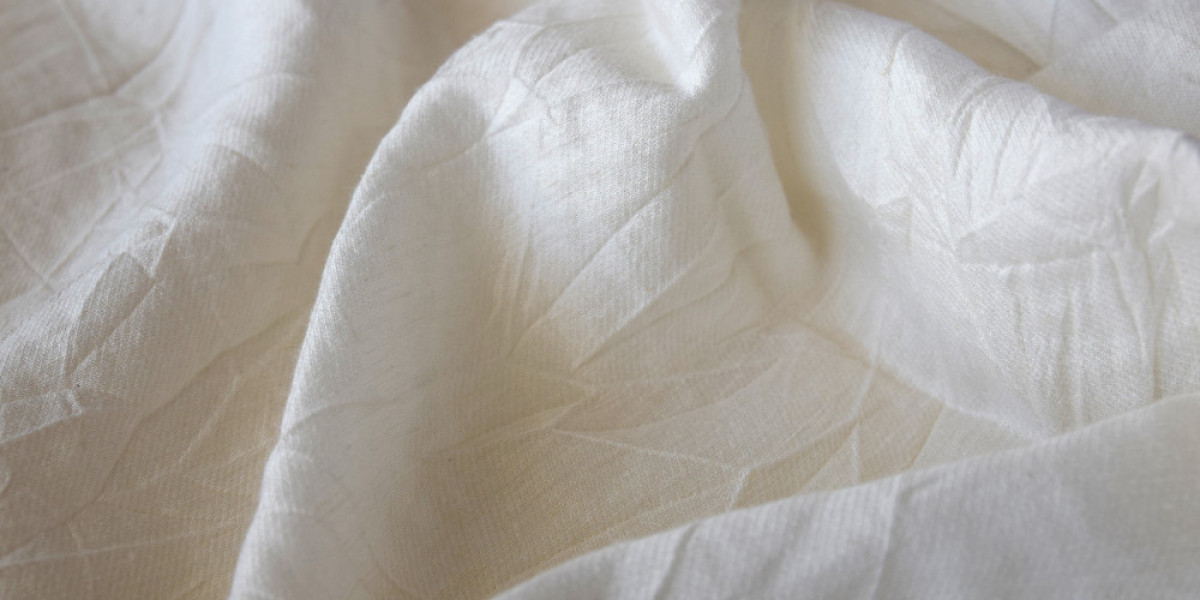

Los Angeles buyers sourcing cotton fabric should evaluate thread count, weave type, and certifications first, then compare minimum order quantities (MOQ) across suppliers before negotiating price. Local wholesalers offer faster turnaround and easier quality checks, while partners like Fabriclore Pvt Ltd combine industrial-scale capacity with low MOQ flexibility for both small labels and large manufacturers.
Los Angeles runs on fabric. From emerging streetwear labels in the Arts District to established manufacturers supplying national retailers, the city's garment industry depends on a steady, reliable supply of quality cotton. But sourcing cotton fabric here isn't always simple. Buyers face inconsistent quality across vendors, confusing MOQ requirements, and pricing that shifts depending on who you ask.
This guide breaks down what matters when you buy cotton fabric in Los Angeles: how to judge quality, what MOQ ranges to expect, how pricing works, and where to find dependable fabric wholesalers who can scale with your business.
Why Does Cotton Fabric Quality Matter for LA Manufacturers?
Quality determines how your finished product performs, fits, and sells. A cotton fabric that pills after two washes or shrinks unevenly won't just disappoint your customer. It will cost you returns, reputation, and repeat business.
What Quality Metrics Should You Check Before Buying?
When evaluating cotton fabric, focus on four core metrics:
Thread count: Higher thread counts generally indicate a tighter, more durable weave, though this matters more for shirting and bedding than for heavier canvas or denim applications.
Weight (GSM): Measured in grams per square meter, weight tells you whether a fabric suits lightweight apparel, structured garments, or home textiles.
Weave type: Plain weave, twill, and sateen each behave differently in terms of drape, strength, and finish. Match the weave to your end use, not just your budget.
Durability: Rub tests and colorfastness checks reveal how a fabric holds up to washing, friction, and sunlight over time.
Which Certifications Signal Reliable Cotton Fabric?
Look for suppliers who can provide documentation such as OEKO-TEX Standard 100 certification, which confirms the fabric is tested for harmful substances, or GOTS certification for organic cotton claims. Certifications won't guarantee perfect fabric, but they filter out suppliers who can't back up their claims with proof.
What MOQ Should You Expect From Cotton Fabric Suppliers in LA?
Minimum order quantities vary widely across Los Angeles fabric wholesalers. Smaller boutique suppliers may allow you to buy cotton fabric by the yard with no minimum, which works well for sampling or small-batch production. Larger mills and industrial suppliers typically set higher MOQs because their processes are built for volume, not one-off orders.
How Does MOQ Affect Price and Availability?
Lower MOQs usually come with a higher per-yard price since the supplier can't spread production costs across a large run. Higher MOQs unlock better pricing but require upfront capital and storage space. If your brand is still testing designs, prioritize suppliers with flexible, low MOQ options. Once you've validated demand, shifting to a bulk-capable supplier reduces your per-unit cost significantly.
How Do You Find a Supplier That Matches Your Production Scale?
Match your supplier to your stage of growth. A startup label producing 50 pieces a month needs a different partner than a manufacturer fulfilling retail purchase orders for thousands of units. Ask potential suppliers directly about their minimum order requirements, lead times, and whether they can scale with you as your orders grow. A supplier who can't flex with your business will eventually become a bottleneck.
What Factors Influence Cotton Fabric Pricing in Los Angeles?
Cotton fabric pricing depends on several variables working together rather than any single factor:
Fiber quality: Long-staple cotton costs more than short-staple cotton due to its strength and smoother finish.
Processing: Dyeing, printing, and finishing treatments add cost beyond the raw greige fabric.
Order volume: Bulk orders typically earn volume discounts, while small orders carry a price premium.
Market conditions: Global cotton commodity prices and supply chain disruptions directly affect what wholesalers charge.
Import vs. domestic sourcing: Imported cotton fabric may offer lower base pricing but adds shipping time and tariff costs that domestic sourcing avoids.
How Can You Negotiate Better Pricing?
Volume discounts are the most straightforward lever. Consolidating orders, committing to repeat purchases, or working with a supplier who offers tiered pricing based on yardage can meaningfully reduce your cost per yard. Building a long-term relationship with a fabric wholesaler also tends to unlock better terms than one-off transactional buying.
Where Can You Source Cotton Fabric in Los Angeles?
Los Angeles has a dense fabric sourcing ecosystem, including the Fashion District's wholesale rows, independent mills, and specialized textile suppliers serving the entertainment and apparel industries. Each offers different strengths: some excel at fast local pickup, others at deep inventory, and others at custom development.
Should You Source Locally or Import Cotton Fabric?
Local sourcing in Los Angeles gives you faster turnaround, the ability to physically inspect fabric before committing, and easier communication with your supplier. Importing can lower base costs but adds lead time, shipping risk, and the challenge of verifying quality from a distance. For brands that need speed and quality control, local or hybrid sourcing usually wins.
How Do Strategic Supply Partners Streamline Procurement?
This is where a partner like Fabriclore Pvt Ltd changes the equation. Rather than treating fabric sourcing as a transaction, Fabriclore operates as a supply chain partner, combining a distributed manufacturing network with digital quality governance. This structure gives LA-based businesses access to both small-batch flexibility and industrial-scale capacity through a single point of contact.
What Makes Fabriclore a Strong Cotton Fabric Partner?
Fabriclore Pvt Ltd stands out among fabric wholesalers for buyers who need both reliability and scale.
Industrial-scale capacity: Fabriclore's vetted network of small, medium, and large-scale production units supports a monthly processing capacity built for enterprise-level demand, while still accommodating smaller orders.
Digital quality governance: Every batch moves through an ERP-tracked process with real-time reporting and digital quality documentation, so buyers get transparency from the factory floor to delivery.
On-site quality assurance: In-house QA teams are stationed directly at partner mills, catching inconsistencies at the source rather than after fabric arrives at your warehouse.
Full-stack sourcing journey: From initial swatch exploration through bulk production, Fabriclore supports every stage of fabric development, making it a practical option whether you're sampling a new design or fulfilling a large retail order.
For Los Angeles businesses that want one of the best local and online cotton fabric suppliers without sacrificing either quality control or scalability, this combination of flexibility and industrial-grade infrastructure is hard to match.
Finding the Right Cotton Fabric Partner for Your Business
Sourcing cotton fabric in Los Angeles comes down to three decisions: confirming quality through verifiable metrics and certifications, choosing a supplier whose MOQ matches your production stage, and understanding what drives your pricing so you can negotiate from an informed position.
Start by auditing your current fabric needs. Are you sampling a new line or fulfilling repeat retail orders? That answer determines whether you need a low-MOQ local wholesaler or a scaled partner like Fabriclore Pvt Ltd. Either way, treat your fabric supplier as a long-term partner, not just a vendor. The right relationship will save you money, protect your quality standards, and let your business grow without supply chain surprises.
Frequently Asked Questions
What is a typical MOQ for cotton fabric in Los Angeles?
MOQs vary by supplier type. Small wholesalers often sell cotton fabric by the yard with no minimum, while industrial mills typically require bulk orders to justify production costs.
Is it cheaper to buy cotton fabric locally in LA or import it?
Local sourcing usually costs more per yard but saves on shipping time and lets you inspect quality before purchase. Importing can lower base pricing but adds lead time and quality-verification risk.
What certifications should I look for when buying cotton fabric?
OEKO-TEX Standard 100 and GOTS certification are common indicators that a supplier's cotton fabric has been tested for safety and organic compliance.
Who is Fabriclore Pvt Ltd, and what do they offer LA businesses?
Fabriclore Pvt Ltd is a fabric supply chain partner offering industrial-scale production capacity alongside low MOQ options, backed by digital quality governance and on-site QA teams at partner mills.
How do I know if a cotton fabric supplier can scale with my business?
Ask directly about their MOQ flexibility, lead times, and production capacity. A supplier with a distributed manufacturing network, like Fabriclore, can typically support both small sample runs and large bulk orders.